

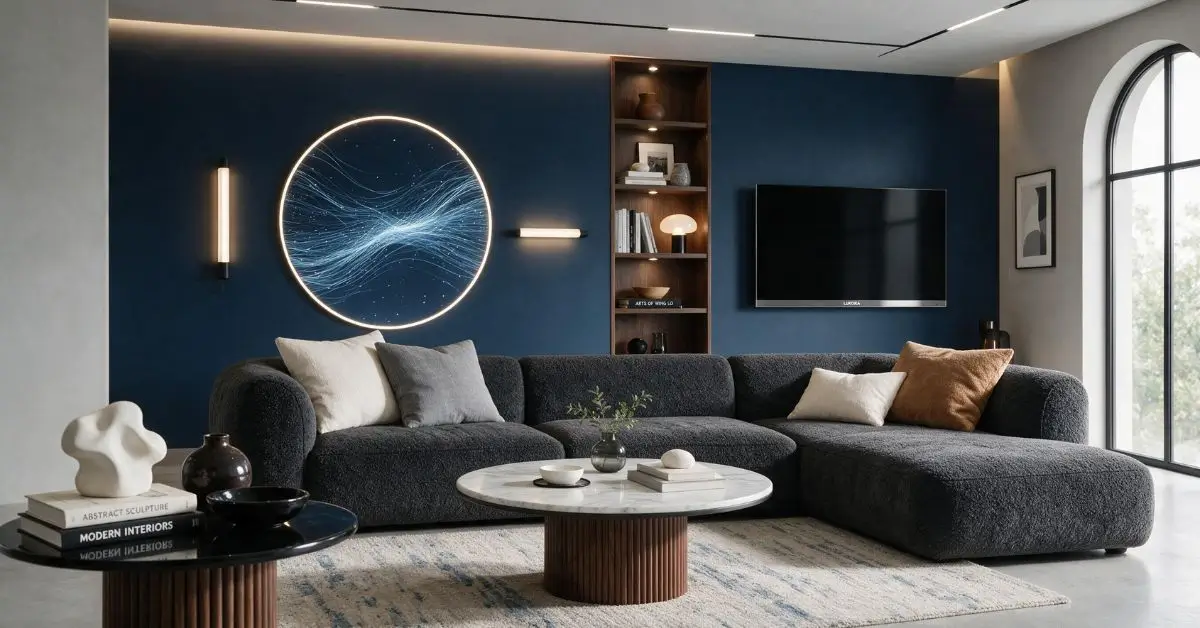
Upgrades Home DecorAdTech: The Best Ideas That Actually Deliver Results
There is a version of home improvement that most people have experienced at least once. You spend a weekend painting a room, buy a new piece of furniture, rearrange a few things, and step back expecting to feel a dramatic difference. Instead, the room looks slightly different but still does not feel right. The fundamental problem is unchanged.
That experience is frustrating because the effort was real even if the result was not.
The reason it happens is that most home upgrades are made in isolation. A paint color chosen without considering the lighting. A sofa purchased without measuring the rug. A smart speaker added to a shelf with no thought about where it actually makes sense in the room. Individual decisions made without a coherent picture of what the space needs to become.
Upgrades home decoradtech is a different way of thinking about improvement. It connects design decisions and technology choices into a unified approach where each upgrade reinforces the others. The result is a home that improves visibly, functions better daily, and holds those improvements over time.
This guide covers the most effective upgrades across every major area of the home, organized by category and explained honestly so you can make decisions that are right for your specific situation.
What Are Upgrades Home DecorAdTech?
Upgrades home decoradtech refers to targeted home improvement decisions that combine interior design principles with modern technology to enhance both the appearance and function of a living space. These upgrades go beyond cosmetic changes by addressing how a home looks and how it actually works day to day. The approach prioritizes purposeful, well-sequenced improvements that create lasting results across lighting, layout, surfaces, and connected technology.
Quick Summary
Upgrades home decoradtech means improving your home through deliberate, connected choices that blend design and technology. This guide covers the highest-impact upgrades by room and category, with honest cost context and practical advice for homeowners and renters at every budget level.
Why Most Home Upgrades Underdeliver
Before covering what works, it is worth being honest about why so many upgrades disappoint.
The most common problem is misalignment between the upgrade and the actual problem it is meant to solve. A new dining table does not fix a dining room with bad lighting. New kitchen appliances do not fix a kitchen with no storage. New bedroom furniture does not fix a bedroom that is too warm to sleep comfortably in. The purchase addresses the symptom that was easiest to act on, not the underlying issue.
The second most common problem is sequencing. Upgrades made in the wrong order regularly create work that needs to be undone. New flooring installed before a leaky window is fixed. Furniture purchased before a room is painted. Technology added to a poorly organized space where it has no logical home.
The upgrades home decoradtech approach solves both problems by starting with honest assessment of what is actually wrong and then sequencing improvements so that each stage prepares the ground for the next.
Lighting Upgrades: The Highest Return Category
If you make only one category of upgrade across your entire home, make it lighting. No other change delivers as much visible improvement per dollar spent across as many different rooms.
Why Lighting Is So Often Wrong
Most American homes are built with builder-grade lighting: a single overhead fixture per room, often a flush-mount light that casts flat, even light across the entire space. This type of lighting is cheap to install during construction and genuinely terrible for livability.
Flat overhead lighting removes depth and shadow from a room. Depth and shadow are exactly what make spaces feel warm, inviting, and visually interesting. A room lit only from above looks like an office regardless of how good the furniture is.
The Three-Source Solution
The most effective lighting upgrade for any living space involves three light sources at different heights working together.
An overhead fixture, ideally on a dimmer switch, provides ambient base light. A floor lamp in a corner provides warmth and draws the eye to the edges of the room. A table lamp near seating provides focused, lower light that creates intimacy.
This combination works in living rooms, bedrooms, and even larger kitchens. The cost of implementing it ranges from $80 to $350 depending on the fixtures chosen, and the visual transformation is dramatic enough that most people who complete it describe the room as feeling completely different within the same hour.
Smart Lighting as a Natural Extension
Smart bulbs and smart dimmer switches extend the value of good lighting by adding control and adaptability. Products like Philips Hue, Lutron Caseta, and basic Wi-Fi-enabled dimmers allow color temperature and brightness to be adjusted throughout the day without rewiring anything.
Cooler, brighter light in the morning supports alertness. Warmer, dimmer light in the evening supports relaxation and better sleep. This automatic adaptation makes your home feel more responsive to how you actually live in it, which is one of the defining characteristics of genuine upgrades home decoradtech thinking.
Layout Upgrades: The Free Improvement Most People Skip
Layout changes cost nothing. They are also regularly the most impactful change a room can receive, which makes them the most underutilized upgrade available.
The Wall-Hugging Mistake
The most widespread living room layout mistake is placing all furniture against the walls. It feels safe and space-conscious. In practice, it makes rooms feel empty at the center and disconnected at the edges.
Pulling a sofa 12 to 18 inches away from the wall and anchoring it with a correctly sized rug immediately creates a defined, intentional seating area. The room stops feeling like furniture is waiting around the perimeter and starts feeling like a space designed for the people in it.
A family in Atlanta rearranged their living room on a Saturday morning without buying anything new. Guests at a dinner party the following weekend independently commented that the room looked different and asked what had changed. Nothing had been purchased. Only the arrangement had shifted.
Function-Based Bedroom Layout
Bedroom layout decisions should be driven by how you wake up and how you wind down. The bed position relative to the door affects how secure the room feels. The nightstand position relative to the bed affects morning and evening routines. Natural light direction affects sleep quality at different times of year.
Most bedroom layout mistakes involve optimizing for how the room looks from the doorway rather than how it functions for the person sleeping in it. The decoradtech approach prioritizes function and finds the aesthetic solution within that constraint.
Surface Upgrades: What the Eye Reads First
Surfaces, walls, floors, counters, cabinet faces, are what the eye processes first in any room. Fresh, well-chosen surfaces make every other element look better. Tired or dated surfaces undermine everything around them regardless of how good the furniture or technology is.
Paint Done Right
Paint is the most cost-effective surface upgrade available. A single room painted with quality paint in a well-chosen color costs between $50 and $200 in materials and delivers an immediate visual reset.
The most important paint decision is undertone, not shade. Two colors that appear similar on a chip can look dramatically different on a wall because of how their undertones interact with the room’s specific light. Testing paint samples on the actual wall in the actual room under the actual lighting is the only way to make a reliable color decision.
Hardware as a Signal
Cabinet hardware in kitchens and bathrooms is one of the most cost-effective surface upgrades in the home. Handles and knobs are touched dozens of times daily. Worn, mismatched, or outdated hardware signals neglect to anyone who enters those rooms, including the person who lives there.
Replacing hardware across an average kitchen costs between $60 and $250 and takes a few hours with a basic screwdriver. The visual signal it sends, that the space is cared for and intentionally maintained, is worth significantly more than the cost of the parts.
Backsplash as a Design Statement
A kitchen or bathroom backsplash is one of the few surfaces in a home where a relatively small area can make a large visual statement. Peel-and-stick tile options have improved dramatically in quality and now offer genuine visual impact for under $100 in many cases.
For homeowners, tile installation by a professional delivers a permanent upgrade that adds to property value. For renters, removable options provide the same visual benefit without affecting the security deposit.
Technology Upgrades: Integration Over Addition
Technology upgrades work best when they solve real problems rather than adding novelty. The best upgrades home decoradtech technology decisions are ones that you benefit from every single day.
Smart Thermostat as a Baseline Investment
A smart thermostat is the technology upgrade with the clearest combination of daily comfort improvement and measurable financial return. The Google Nest Learning Thermostat and the Ecobee Smart Thermostat both learn household schedules, adjust automatically, and generate energy savings that offset their purchase price over time.
In a climate like Texas where air conditioning runs heavily for months, the energy savings from an optimized smart thermostat can reach $100 to $150 per year. Over five years that is a meaningful return on a $130 to $250 device.
Video Doorbell as a Security and Convenience Upgrade
A video doorbell like the Ring or Nest Doorbell adds both security awareness and daily convenience. Seeing who is at the door from your phone, receiving alerts when packages are delivered, and being able to speak to visitors without opening the door are all genuinely useful functions that improve daily life in a home.
Installation is straightforward in most cases and does not require professional help. The device integrates with existing home Wi-Fi and works alongside other smart home devices without requiring a complex hub or system.
Smart Plugs as a Low-Cost Entry Point
Smart plugs are one of the lowest-cost technology additions available, typically running $10 to $25 per unit, and they convert any standard lamp or appliance into a controllable, schedulable device without replacing the item itself.
Using smart plugs on floor lamps allows you to incorporate those lamps into a lighting schedule or control them by voice. This is a practical way to access smart lighting benefits without the cost of full smart bulb replacement across an entire home.
Upgrade Impact and Cost Reference
| Upgrade Category | Specific Change | Estimated Cost | Impact Level |
|---|---|---|---|
| Lighting | Three-source layered setup per room | $80–$350 | Very High |
| Lighting | Smart dimmer switches | $25–$60 each | High |
| Layout | Furniture repositioning | $0 | High |
| Surfaces | Fresh paint per room | $50–$200 | High |
| Surfaces | Cabinet hardware replacement | $60–$250 | Very High |
| Surfaces | Peel-and-stick backsplash | $50–$150 | Medium-High |
| Technology | Smart thermostat | $130–$250 | High |
| Technology | Video doorbell | $100–$250 | Medium-High |
| Technology | Smart plugs | $10–$25 each | Medium |
This table gives you a clear overview of where to focus first based on available budget and desired impact level.
Conclusion
The best upgrades home decoradtech approach is not about spending the most or following the latest trends. It is about identifying what is genuinely wrong with each space, choosing changes that solve those specific problems, and sequencing those changes so each one builds on the last.
Lighting before furniture. Layout before purchases. Surfaces before decor. Technology integrated into a space that already works well.
Follow that sequence with honest decisions at each stage and the results will consistently exceed what random, reactive purchasing ever delivers.
Frequently Asked Questions
What are Upgrades Home Decoradtech?
Upgrades Home Decoradtech combine home improvement, design, and technology to make homes more functional and comfortable.
Which home upgrade gives the best return?
Kitchen cabinet hardware and layered lighting offer strong visual improvements at a relatively low cost.
Can I use these ideas in a rental?
Yes. Furniture changes, plug-in lighting, smart bulbs, and removable decor are renter-friendly options.
How should I choose my first upgrade?
Start with the home issue that causes the most daily frustration, then prioritize improvements with high visual or functional impact.
Do technology upgrades improve daily comfort?
Yes, when they solve real problems. Smart lighting and thermostats can improve comfort, while unnecessary gadgets may simply add clutter.
[…] and franchise deals are where actors build the kind of wealth that shows up in celebrity net worth rankings. Without those high-visibility, high-paying gigs, an actor’s earnings tend to stay modest by […]